
Samarra سامراء
The 9th-century Abbasid capital and its spiral minaret.
For a few decades in the 9th century Samarra was the capital of the Abbasid Caliphate. Its huge archaeological city along the Tigris, with the spiral minaret of the Great Mosque, was inscribed as a UNESCO World Heritage Site in 2007.
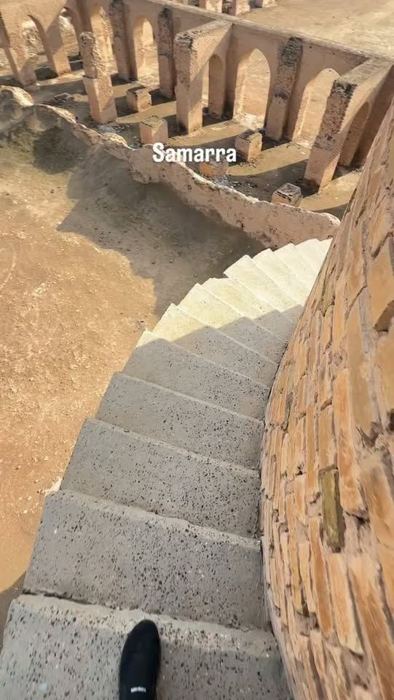
For a few remarkable decades in the 9th century, Samarra was the capital of the Abbasid Caliphate. Caliph al-Mu‘tasim moved the capital here from Baghdad in 836, and his successors built palaces, racecourses and the Great Mosque, whose spiral minaret, the Malwiya, rises about 52 metres. The ruins stretch for kilometres along the Tigris and were listed by UNESCO in 2007 as the Samarra Archaeological City.
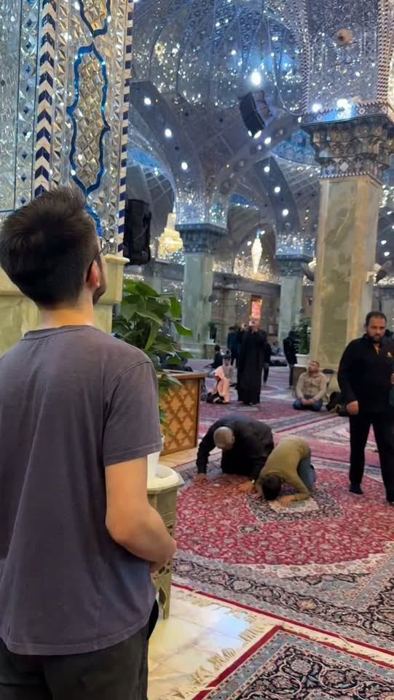
After the caliphs returned to Baghdad, Samarra remained an important city. The golden-domed Al-Askari shrine, burial place of the tenth and eleventh Shia imams, is a major place of pilgrimage. Samarra is about 125 km north of Baghdad and is usually visited as a full-day trip.
Tours in Samarra
Samarra Heritage Tour · 1 day · from $200
Travel tips
- The ramp of the Malwiya has no railing. Take your time and wear shoes with good grip.
- Access to some sites can depend on local security permissions, which our team arranges.
- Bring water and sun protection: the archaeological city is open and hot.
Questions & answers
Can I visit Samarra in a day from Baghdad?
Yes. Our Samarra Heritage private tour leaves from Baghdad and returns the same day.
How tall is the Malwiya minaret?
About 52 metres, with a spiral ramp winding around it to the top.
Photos
Map of Samarra
Pins show the sites in this guide. Locations are approximate.
Learn more
Sites to see in Samarra
Great Mosque & Malwiya Minaret
The 52-metre spiral minaret of the 9th-century Great Mosque of Samarra.
Abu Dulaf Mosque
A great 9th-century Abbasid mosque north of Samarra with its own spiral minaret.
Al-Askari Shrine
The golden-domed shrine of the tenth and eleventh Shia imams at the centre of Samarra.