
Iraq travel guide
Iraq’s cities and the historic sites inside them: their history, what to see, maps and photos.
Iraq is Mesopotamia, the land between the Tigris and the Euphrates where writing, the first cities and the first laws began. Below are the cities we guide in, from Baghdad and Babylon in the centre to Ur and the marshes in the south and Mosul, Erbil and Duhok in the north.
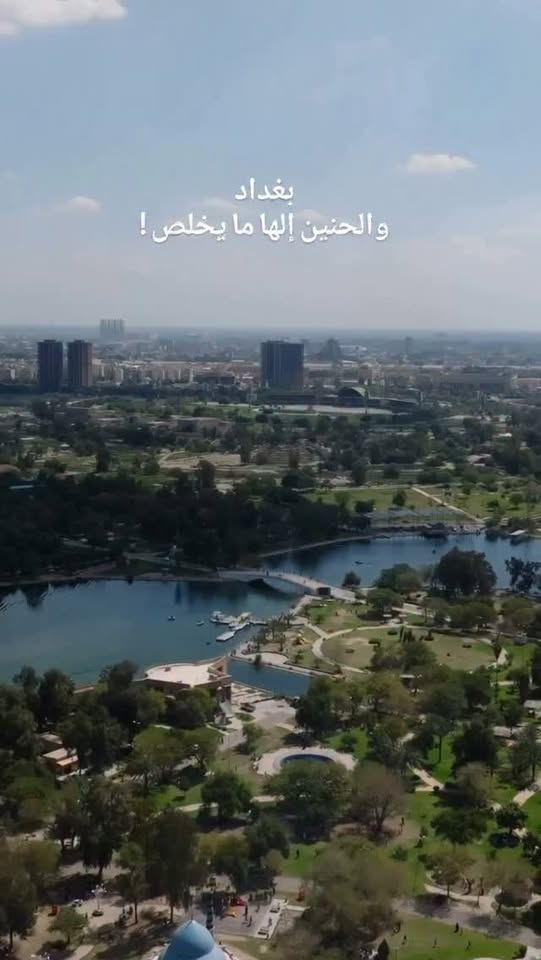
Baghdadبغداد
Iraq’s capital on the Tigris, founded in 762 as the round city of the Abbasid caliphs.Baghdad Governorate · 5 sites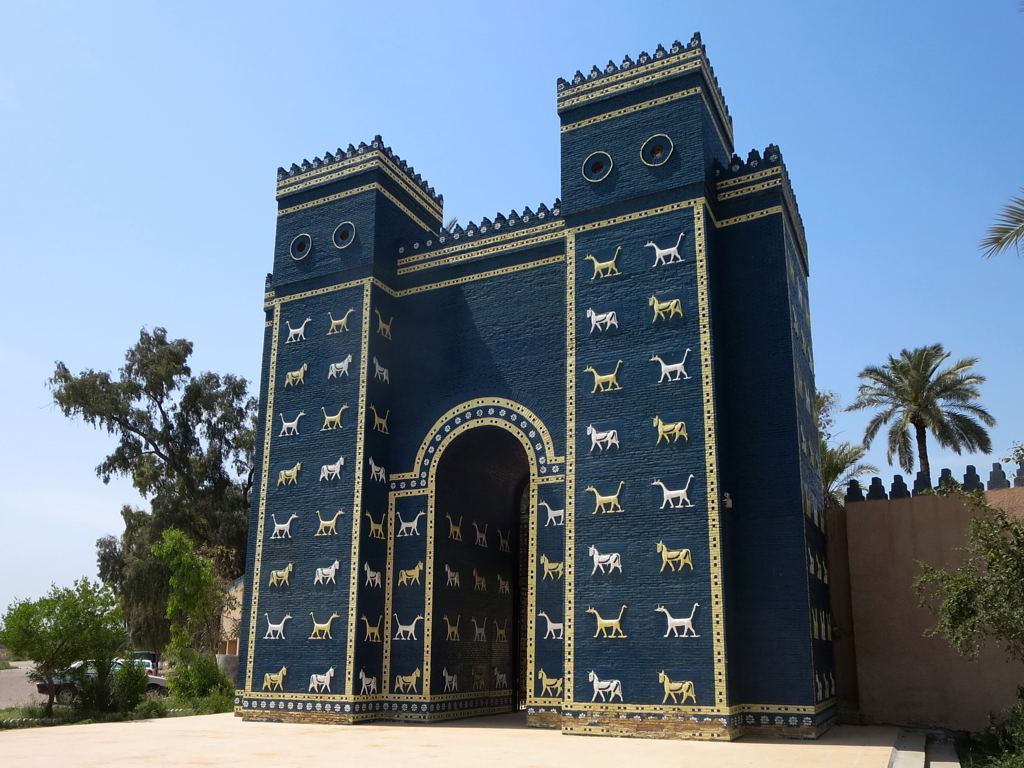
Babylonبابل
The legendary capital of Hammurabi and Nebuchadnezzar, south of Baghdad.Babil Governorate · 3 sites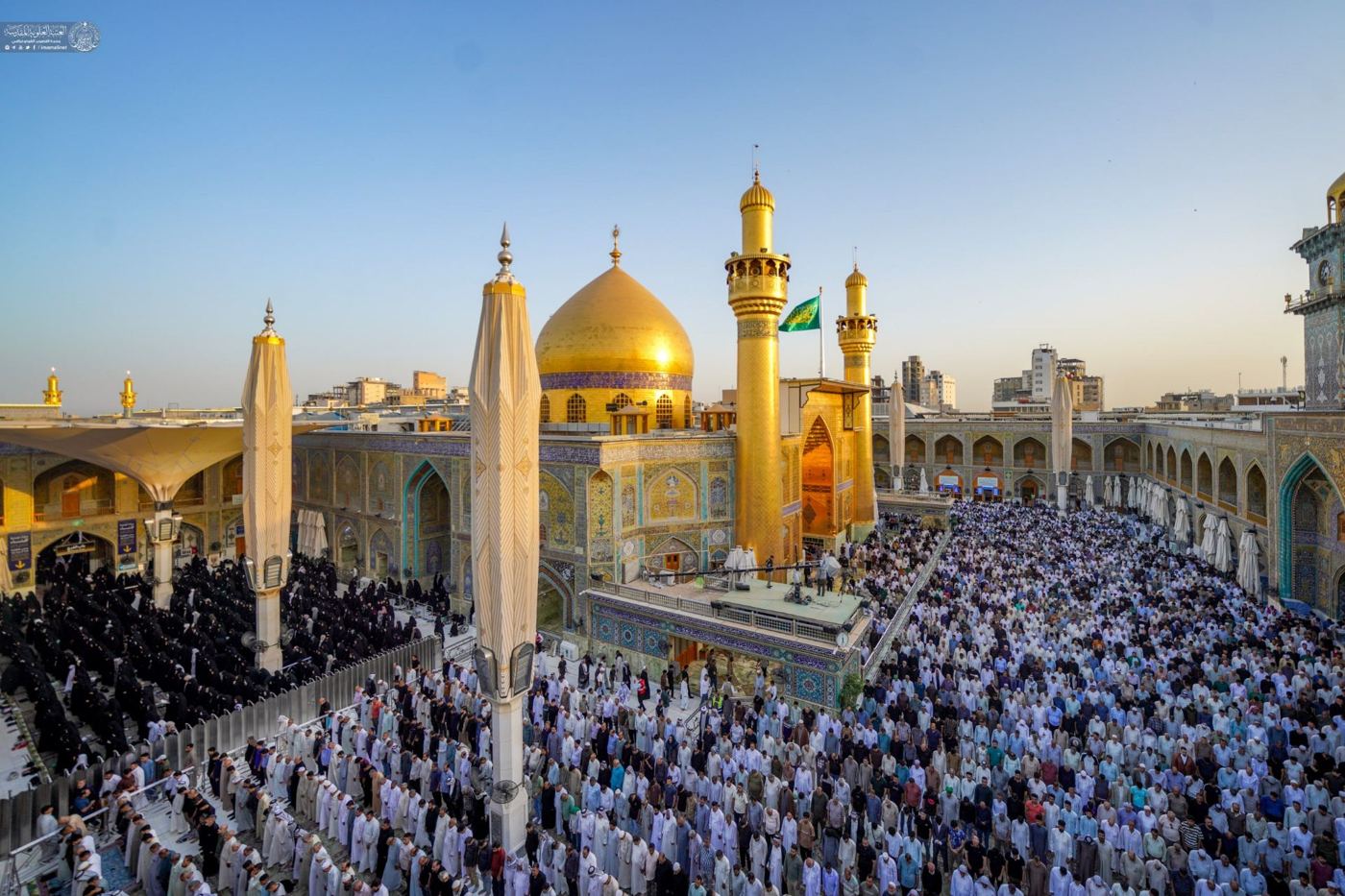
Najafالنجف
A holy city and centre of learning, home of the Imam Ali Shrine.Najaf Governorate · 3 sites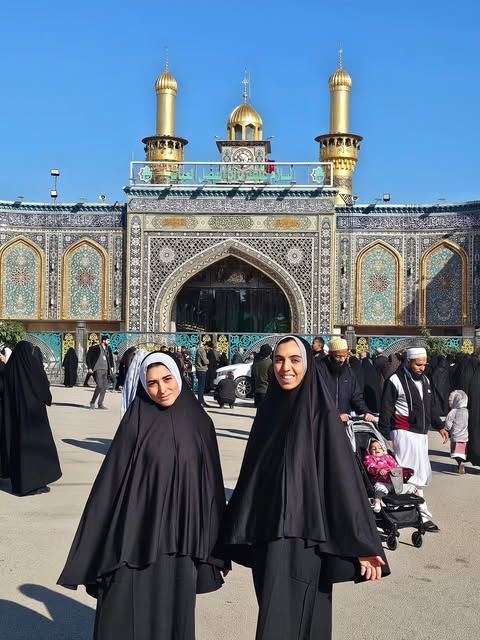
Karbalaكربلاء
The city of the shrines of Imam Husayn and al-Abbas.Karbala Governorate · 2 sites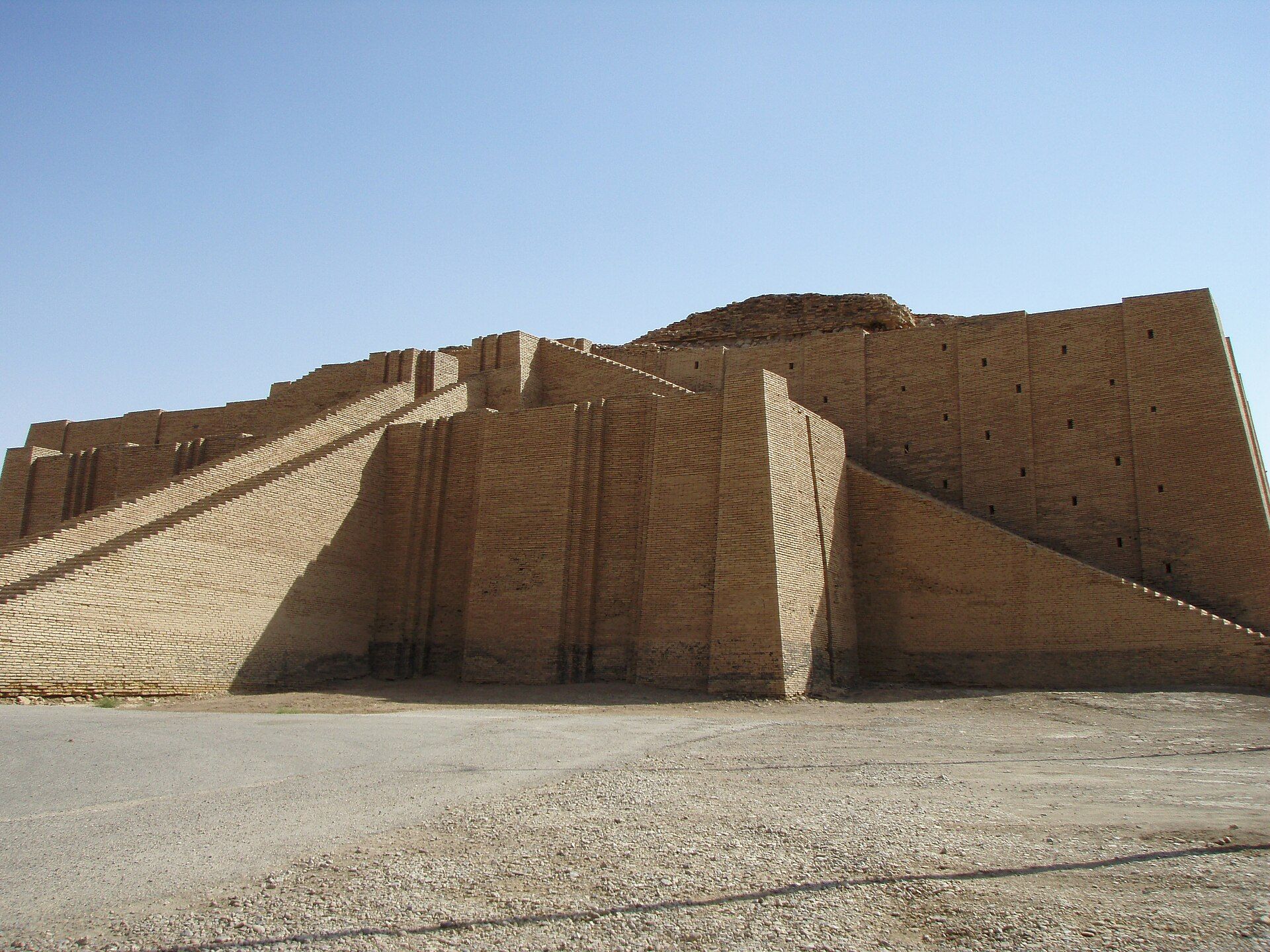
Nasiriyah & Urالناصرية وأور
The land of Sumer: the Ziggurat of Ur, Uruk and the southern marshes.Dhi Qar Governorate · 3 sites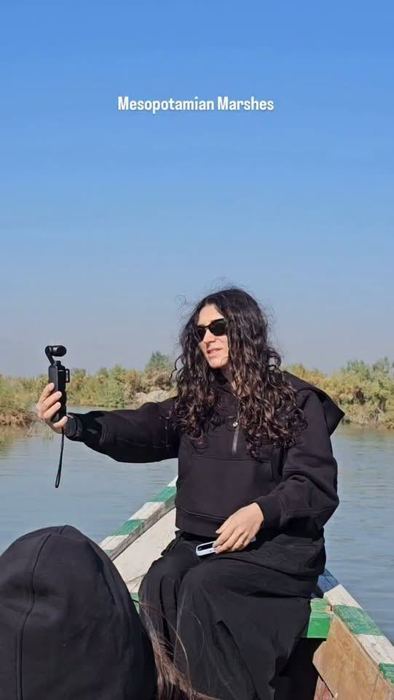
Basraالبصرة
Iraq’s port city on the Shatt al-Arab, gateway to the south.Basra Governorate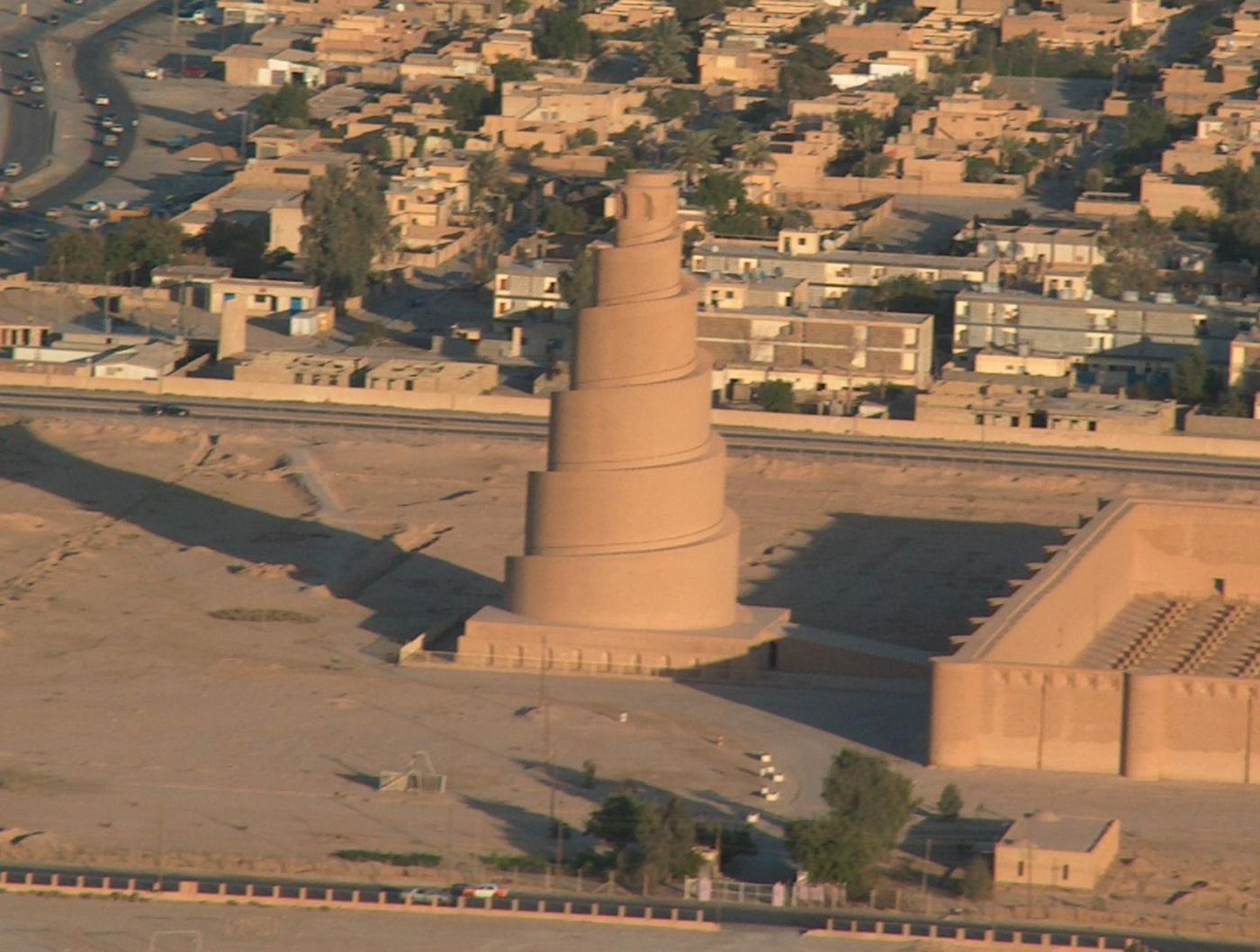
Samarraسامراء
The 9th-century Abbasid capital and its spiral minaret.Salah al-Din Governorate · 3 sites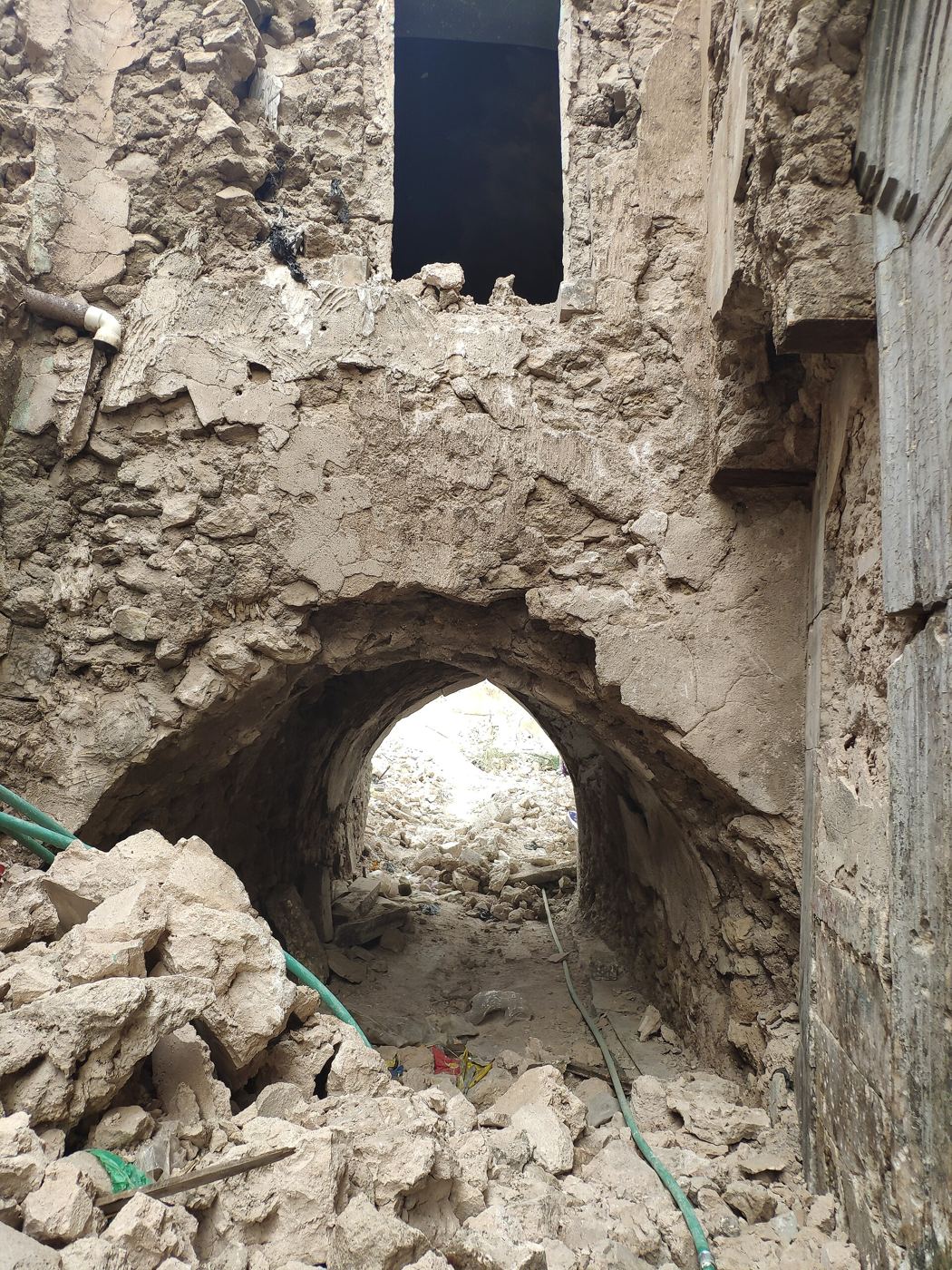
Mosulالموصل
An old city on the Tigris facing ancient Nineveh, heart of the Assyrian lands.Nineveh Governorate · 11 sites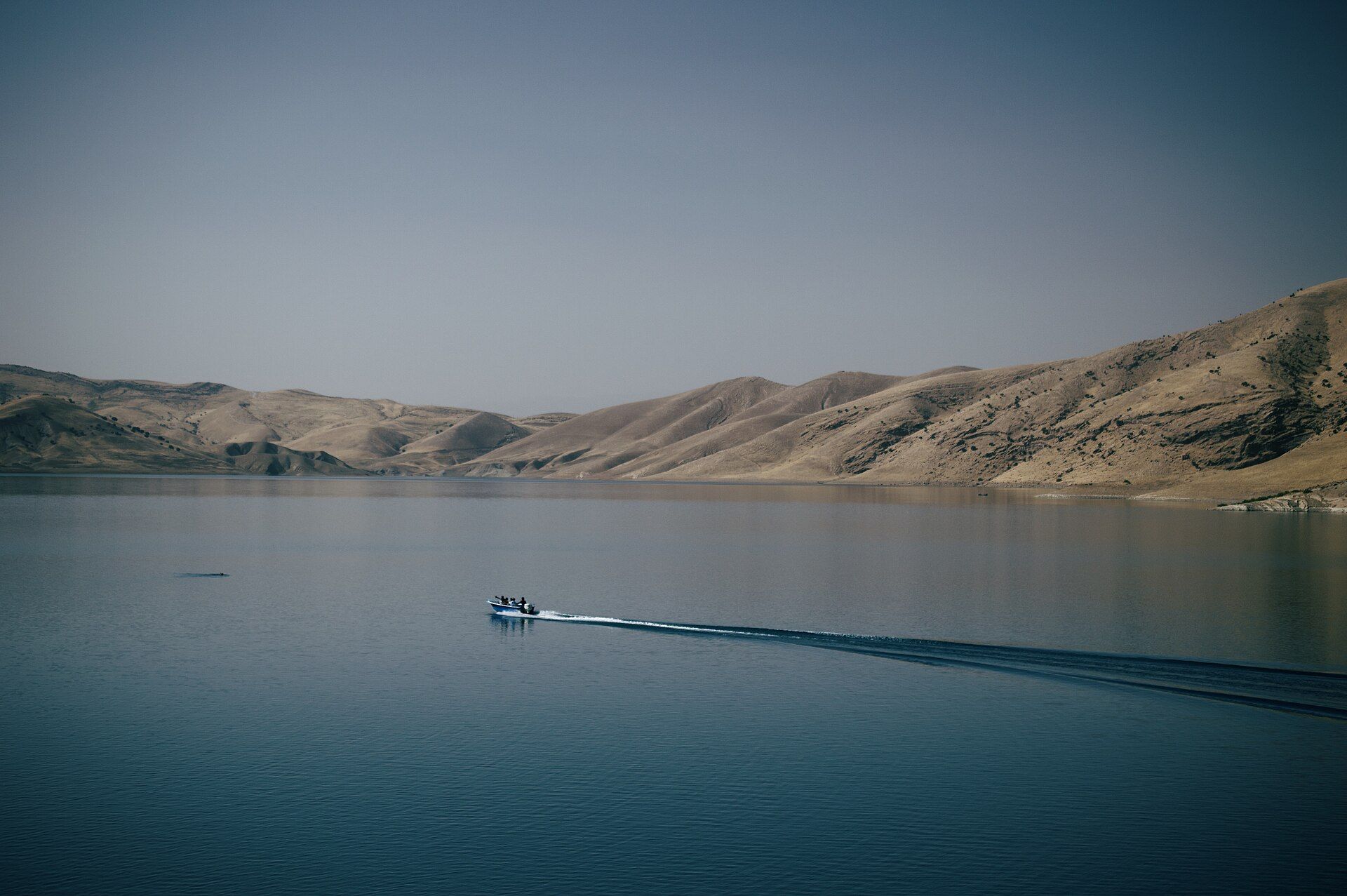
Erbilأربيل
One of the oldest continuously inhabited cities, below its great citadel.Kurdistan Region · 3 sites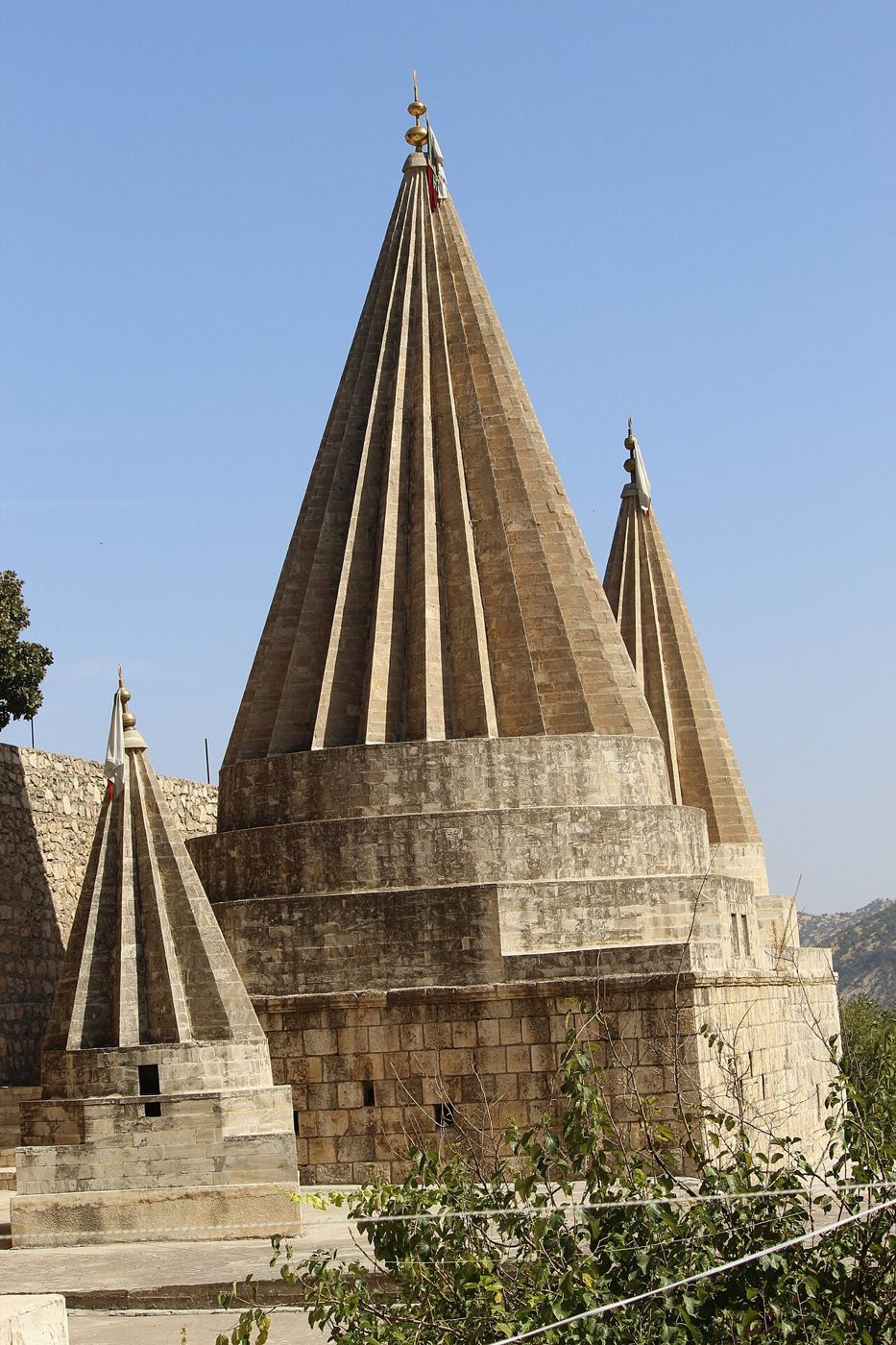
Duhokدهوك
Mountain valleys, Assyrian rock reliefs and the Yazidi holy valley nearby.Kurdistan Region · 2 sitesAll historic sites
Al-Mutanabbi Street
Baghdad’s famous book street, busiest on Friday mornings, between the old souqs and the Tigris.
Iraq Museum
Iraq’s national museum, with treasures from Sumer, Babylon and Assyria to the Islamic era.
Al-Mustansiriya School
A 13th-century Abbasid college beside the old souqs, one of the oldest surviving university buildings.
Al-Kadhimiya Shrine
The golden-domed shrine of Imam Musa al-Kadhim and Imam Muhammad al-Jawad in north Baghdad.
Aqarquf Ziggurat
The Kassite ziggurat of Dur-Kurigalzu, about 30 km west of Baghdad.
Ancient Babylon
The ruins of Hammurabi’s and Nebuchadnezzar’s city on the Euphrates, a UNESCO World Heritage Site.
Ishtar Gate (replica)
A replica of the blue glazed-brick gate of Nebuchadnezzar’s Babylon, decorated with bulls and dragons.
Borsippa Ziggurat (Birs Nimrud)
The ruined ziggurat of the god Nabu south-west of Babylon, linked in tradition to the Tower of Babel.
Imam Ali Shrine
The golden-domed shrine of Imam Ali ibn Abi Talib at the heart of Najaf.
Wadi al-Salam Cemetery
One of the largest cemeteries in the world, stretching for kilometres beside the old city of Najaf.
Great Mosque of Kufa
One of the earliest mosques in Islam, where Imam Ali led prayers and was struck in 661.
Imam Husayn Shrine
The shrine of Imam Husayn, grandson of the Prophet, at the heart of Karbala.
Al-Abbas Shrine
The golden-domed shrine of al-Abbas ibn Ali, facing the Imam Husayn Shrine in Karbala.
Ziggurat of Ur
The best-preserved Sumerian ziggurat, built around 2100 BC near Nasiriyah.
Uruk (Warka)
The Sumerian city of Gilgamesh, where some of the earliest writing in the world was found.
Chibayish Marshes
Reed villages, water buffalo and boat rides in the Mesopotamian Marshes, a UNESCO World Heritage Site.
Great Mosque & Malwiya Minaret
The 52-metre spiral minaret of the 9th-century Great Mosque of Samarra.
Abu Dulaf Mosque
A great 9th-century Abbasid mosque north of Samarra with its own spiral minaret.
Al-Askari Shrine
The golden-domed shrine of the tenth and eleventh Shia imams at the centre of Samarra.
Great Mosque of al-Nuri & al-Hadba
Mosul’s 12th-century mosque and leaning al-Hadba minaret, rebuilt after 2017.
Prophet Yunus (Jonah) Hill
The hill of the Prophet Yunus (Jonah) in east Mosul, above an Assyrian royal palace.
Nineveh walls & Mashki Gate
The walls and gates of Nineveh, capital of the Assyrian Empire, on the east bank of the Tigris.
Nimrud
Kalhu, the palace city of the Assyrian king Ashurnasirpal II, south-east of Mosul.
Hatra
A round, fortified desert city of the 2nd century AD, a UNESCO World Heritage Site.
Ashur (Qal’at Sherqat)
The first capital and religious centre of Assyria above the Tigris, a UNESCO World Heritage Site.
Mosul Museum
Mosul’s museum of Assyrian and Hatrene sculpture, being restored after 2015.
Our Lady of the Hour Church
The 19th-century Dominican church of Our Lady of the Hour in Mosul’s old city, known for its clock tower.
Bash Tapia Castle
The remains of Mosul’s medieval castle on the bank of the Tigris.
Mar Behnam Monastery
A Syriac Christian monastery south-east of Mosul, famous for its medieval carved stonework.
Lalish Temple
The holiest place of the Yazidi faith, in a valley north-east of Mosul.
Erbil Citadel
The great inhabited mound at the centre of Erbil, a UNESCO World Heritage Site.
Qaysari Bazaar
The covered market below the Erbil Citadel, full of spices, sweets, honey and tea houses.
Shaqlawa
A green hill town north-east of Erbil, known for its orchards and cool summer air.
Khinnis (Bavian) reliefs
The monumental rock reliefs of the Assyrian king Sennacherib beside an ancient canal head.
Rabban Hormizd Monastery
A 7th-century monastery cut into the mountainside above Alqosh.
Map
Locations are approximate.